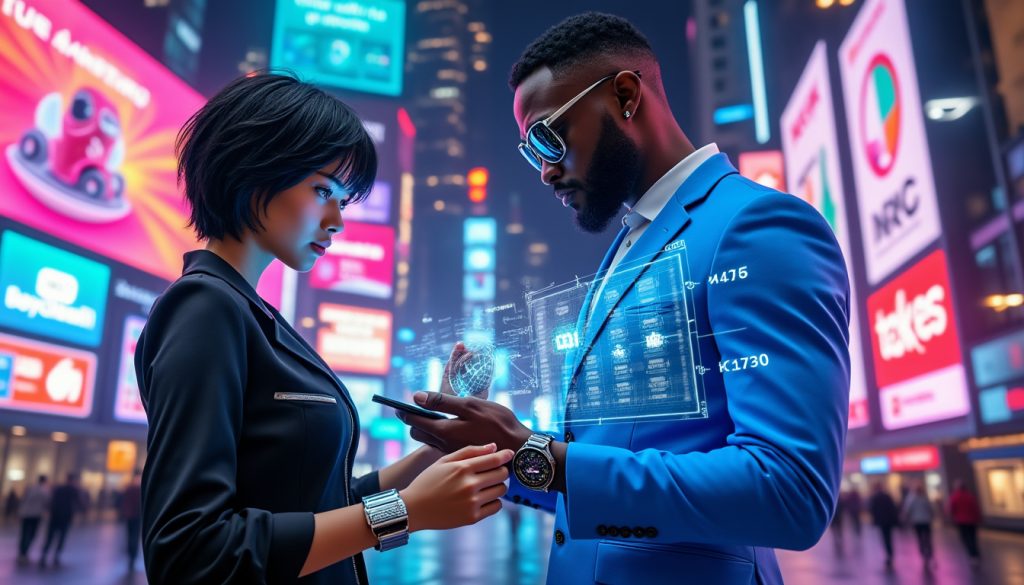
The digital marketing landscape is evolving rapidly, substantially influenced by advancements such as OpenAI and machine learning. As brands pivot towards automation and AI-driven strategies, it’s crucial to understand how these changes alter consumer interactions and the overall marketing ecosystem. With 2025 on the horizon, we can expect wider applications of AI in marketing, emphasizing hyper-personalization, efficient data usage, and smart advertising tactics. This article explores how OpenAI is shaping digital marketing strategies, providing brands with the tools to engage consumers authentically while navigating the complexities of this dynamic environment.
The Rise of OpenAI and AI Marketing Strategies in 2025
OpenAI’s technologies are leading the shift in digital marketing, enabling a more personalized and efficient approach. As we look towards 2025, brands are not only adopting AI marketing but are redefining their strategies around it. The integration of machine learning into everyday marketing operations has paved the way for innovative solutions, fundamentally altering the marketing landscape.
Impact of AI on Consumer Discovery
AI-assisted consumer discovery is becoming a fundamental aspect of digital marketing. Traditional search engines are increasingly challenged by AI-driven platforms like ChatGPT, which enable users to engage in conversational searches rather than simple keyword queries. This evolution pushes brands to rethink their SEO strategies and ensure visibility on these emerging platforms.
In the past, a solid foundation in typical SEO practices was adequate for maintaining online presence. However, the rise of AI tools shifts this paradigm. Brands must now optimize content for AI algorithms and invest in structured data that aligns with machine learning processes to maintain competitiveness in the digital landscape.
Hyper-Personalization as a Core Strategy
Hyper-personalization represents a key trend that brands must adopt to meet consumer expectations. With AI capabilities, marketers can now analyze vast datasets to deliver tailored content and ads, creating an individualized experience for each consumer. This approach fosters genuine connections, which are paramount in today’s market.
Despite the benefits of hyper-personalization, brands must remain cautious about over-automation. Balancing AI-driven personalization with authentic human engagement will be vital to maintain customer trust and loyalty. Companies need to leverage OpenAI solutions while ensuring their messaging retains a human touch, ensuring that sophisticated algorithms do not replace genuine interactions.
Transformation of Marketing Strategies with Machine Learning
As brands employing OpenAI applications in marketing begin to flourish, the importance of machine learning in advertising is gaining prominence. This technology is not solely about efficiency; it significantly enhances campaign precision and effectiveness. By leveraging machine learning algorithms, brands can analyze consumer behavior patterns and predict future actions, allowing them to craft marketing strategies that resonate with target audiences.
Data-Driven Decision Making
With emerging privacy regulations and increasing consumer scrutiny over data usage, companies must prioritize first-party data strategies. By harnessing machine learning and AI, brands can efficiently integrate various data sources for actionable insights.
This data-driven approach informs marketers on consumer trends, enabling them to adapt strategies dynamically to align with consumer preferences. The importance of establishing transparency and trust with consumers is essential, particularly as brands navigate new compliance demands surrounding data security.
Automating Content Creation
AI content generation is set to revolutionize the way brands create marketing materials. OpenAI’s ChatGPT and similar tools empower marketers to generate high-quality, engaging content at scale. This capability enables brands to tailor their messaging according to specific audience segments while minimizing resource expenditure.
However, automated content generation poses challenges. Brands must ensure that AI-generated content adheres to quality standards and aligns with their unique voice and values. By establishing guidelines and oversight for content produced by AI, brands can leverage this capability without losing control over their narrative.
Navigating Privacy Regulations: A New Challenge
The rise of AI in digital marketing coincides with new privacy regulations that require marketers to adapt their strategies concerning data collection and usage. As consumer concerns about privacy elevate, brands need to find compliant methods to leverage data for marketing insights. The new landscape compels brands to prioritize first-party data, enabling them to forge deeper relationships with their consumers while navigating regulatory pressures.
Building Trust with First-Party Data
Trust is a significant factor in effective marketing strategies. By focusing on acquiring first-party data through transparency and value exchanges, brands can foster customer relationships built on mutual benefit. In doing so, they enhance their marketing strategies by accessing richer, more reliable consumer insights directly from their audience.
This approach shifts the focus from relying on third-party data to creating ethical frameworks for gathering and utilizing customer information. As brands embrace OpenAI and machine learning, aligning their data strategies with privacy best practices will be crucial for sustainable success in the digital marketing landscape.
Adapting Strategies in Real-Time
Remaining agile and responsive to market changes is paramount. Digital marketing trends in 2025 indicate a need for brands to pivot quickly, utilizing automation in marketing to adjust their strategies based on real-time data. Tools powered by AI can assist marketers in identifying emerging trends and consumer preferences, fostering the ability to respond proactively.
By establishing robust systems for real-time data analysis, brands can gain a competitive edge while managing ongoing challenges presented by rapid technological advances and shifting consumer behaviors. Adapting strategies efficiently allows brands to remain relevant amid upheaval in the digital realm.
Strategies for Thriving in the AI-Driven Marketing Ecosystem
Developing effective AI marketing strategies in 2025 requires a comprehensive understanding of the digital landscape, including an awareness of available tools and tactics. Investing in training and adapting to technologies like OpenAI will become necessary as brands look to maintain their competitive edge and enhance customer experiences.
Embracing OpenAI Applications
Integrating OpenAI applications in marketing strategies can drive success by enabling brands to optimize their efforts across various platforms. From chatbots enhancing customer service to AI tools supporting content development, the possibilities are vast. Brands that effectively leverage these tools can create unique value propositions that set them apart from competitors.
Training marketing teams to utilize these tools effectively is essential. Knowledge of AI capabilities and practical applications will allow marketers to incorporate machine learning into their content strategies, creating an ecosystem where creativity and technology harmoniously thrive.
Leveraging Automation for Enhanced Efficiency
Automation in marketing not only saves time but also enhances the precision of targeting efforts. Brands that utilize AI-powered automation tools are better positioned to optimize campaigns, ensuring that messaging resonates with intended audiences. The combination of data analysis and automation boosts campaign effectiveness and efficiency, enabling brands to achieve remarkable results.
However, marketers must avoid falling into the trap of over-reliance on automation. Maintaining human connection through customer interactions remains vital. Striking a balance between automation and genuine relationships with consumers is essential to building trust and loyalty.
| Transformation Area | Key Strategies | Expected Outcomes | OpenAI Applications |
|---|---|---|---|
| Consumer Discovery | Optimize for AI engines | Increased visibility | Utilizing ChatGPT for SEO |
| Hyper-Personalization | Balance automation with human touch | Enhanced customer engagement | AI-generated personalized content |
| Data Privacy | Focus on first-party data | Stronger customer trust | Data management tools |
| Agility | Real-time data analysis | Increased responsiveness | AI-driven insights |
Staying Ahead by Understanding Trends
As the digital marketing landscape evolves, brands need to stay informed about the latest trends, especially in AI and OpenAI technologies. Understanding how consumer behavior shifts affects marketing strategies will be key to future success.
Continuously Monitor Market Changes
Establishing routines to regularly review industry trends, competitor strategies, and consumer preferences is crucial. This proactive stance ensures brands remain adaptable and capable of making informed decisions based on the most current data.
Utilizing AI tools to track these changes can greatly enhance strategic foresight. Regularly assessing market dynamics equips brands to pivot their strategies in tune with consumer demands, effectively aligning with evolving expectations across various platforms.
Engaging with Market Experts
Collaborating with experts in AI and digital marketing can yield substantial insights. Engaging with thought leaders and participating in industry discussions can provide access to cutting-edge strategies that benefit overall marketing efforts.
Fostering a culture of learning within organizations encourages teams to embrace innovation and remain at the forefront of AI applications. Investing in education and empowerment of marketing professionals ensures a brand’s sustainability and relevance in this transforming landscape.
With AI technologies like OpenAI spearheading significant transformations in the marketing world, understanding and integrating these advancements into marketing strategies is essential for branding success in 2025 and beyond. The pathway to effective marketing lies in leveraging AI responsibly while maintaining the authenticity and connection that consumers seek in brands.


